

Bird’s Nest & Goji in Chinese Gifting Culture: A Modern Malaysian Interpretation
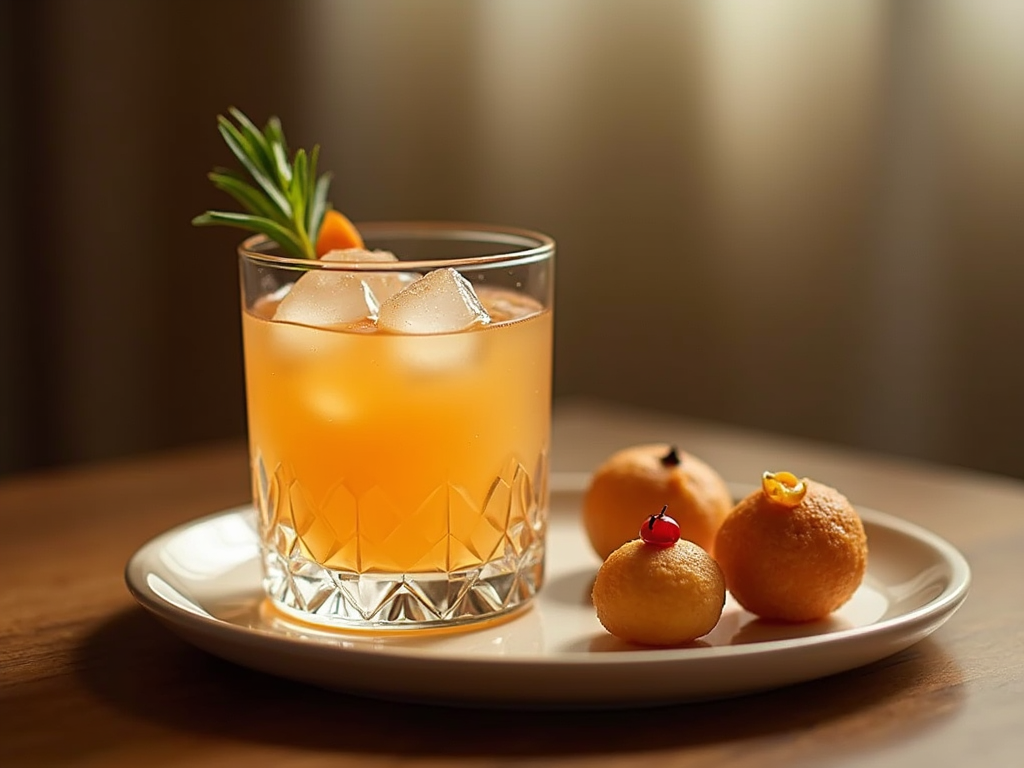

Some ingredients carry more than flavour.
Across generations of Chinese families, certain foods have become associated with hospitality, respect and meaningful occasions.
Edible bird’s nest is one of the clearest examples. Once regarded as a rare luxury, it developed a lasting place in Chinese culinary culture and continues to be presented on important occasions and as a prestigious gift.
Goji berries belong to a different tradition, but they too have been part of Chinese food culture for centuries.
Can familiar ingredients with deep Asian roots be interpreted in a completely new, distinctly Malaysian way?
That idea is behind Myzduri Bird’s Nest & Goji Cocktail Liqueur — a handcrafted Malaysian drink combining real bird’s nest, goji berries and honey in an elegant 9% ABV cocktail liqueur created for contemporary enjoyment and gifting.
Why Has Bird’s Nest Been Considered So Special?
Edible bird’s nest has a long history in Chinese cuisine.
Historical accounts connect its consumption with imperial and aristocratic dining, while the maritime trade between Southeast Asia and China helped establish bird’s nest as a valuable imported delicacy.
Its rarity contributed to its prestige.
Over time, bird’s nest moved beyond elite dining tables and became associated with important family occasions, hospitality and gifting.
Presenting bird’s nest could communicate consideration and respect precisely because it was not treated as an ordinary everyday ingredient.
That cultural value still matters today.
Although modern bird’s nest products are considerably more accessible than they once were, the ingredient continues to carry an impression of refinement and occasion.
It is one reason bird’s nest remains familiar in premium Chinese gifting.
A Southeast Asian Ingredient With a Chinese Cultural Story
There is another side to the story that is especially relevant to Malaysia.
Much of the edible bird’s nest consumed in Chinese communities historically came through Southeast Asia.
Swiftlets producing edible nests are found across the region, and Malaysia became part of the wider bird’s nest production and trade network.
This makes bird’s nest an interesting cultural bridge.
Its prestige became deeply established in Chinese food culture, while an important part of its physical origin and supply developed in Southeast Asia.
For a Malaysian brand, that connection creates room for something more interesting than simply repeating traditional bird’s nest preparations.
The ingredient can be respected for its history while being interpreted through modern Malaysian craftsmanship.
Where Does Goji Fit Into the Story?

Goji berries — 枸杞 — have their own long history in China.
The small red berries have appeared in Chinese food and traditional preparations for centuries and remain familiar in soups, teas, porridges and other dishes.
Their importance does not depend on turning them into a modern “superfood.” For this story, the more meaningful point is cultural familiarity.
Bird’s nest brings a sense of refinement and prestige.
Goji brings a recognisable ingredient from Chinese culinary tradition.
Honey contributes gentle sweetness.
Together, they create a flavour combination that feels familiar in its ingredients but unusual in its form.
Tradition Does Not Need to Stay Frozen in Time
Food traditions survive partly because every generation finds new ways to experience them.
Coffee moved from traditional kopitiam cups into speciality cafés.
Tropical fruits became cakes, confectionery, beverages and contemporary desserts.
Durian moved from roadside stalls into pastries, ice cream, confectionery and premium gifting.
There is no reason an ingredient such as bird’s nest must exist only in one traditional preparation.
Respecting an ingredient’s cultural importance does not require copying the past exactly.
A modern interpretation can preserve the story while changing the experience.
That is the approach Myzduri takes.
A Different Expression of Bird’s Nest & Goji

Myzduri Bird’s Nest & Goji is not traditional bird’s nest soup.
It is also not wine.
It is a Malaysian handcrafted cocktail liqueur made with real bird’s nest, goji berries and honey.
At 9% ABV, it sits among the lighter-strength bottles in the Myzduri collection.
The character is smooth, gently sweet and delicate rather than spirit-forward.
Serve it chilled for the simplest experience.
It can also be poured over ice or lengthened with chilled soda water for a lighter, refreshing serve.
The purpose is not to disguise alcohol as something else.
It is to create a different drinking experience using ingredients that already carry meaning for many Asian consumers.
Why It Works Particularly Well as a Gift
Many gifts are attractive when they are first presented but difficult to remember afterwards.
A meaningful gift usually has another layer. It may have a story.
It may reflect the place it came from.
It may use an ingredient the recipient recognises.
Or it may present something familiar in a form the recipient has never encountered before.
Bird’s Nest & Goji works on several of those levels.
The ingredients are immediately recognisable to many Chinese recipients, but a bird’s nest and goji cocktail liqueur is unexpected.
It feels culturally familiar and contemporary at the same time.
Presented in Myzduri’s signature premium gift tube, it can suit occasions such as birthdays, family celebrations, festive visits, dinner invitations and corporate appreciation for appropriate non-Muslim adult recipients.
Instead of presenting another conventional bottle, the giver has a story to tell when the gift changes hands.
For a broader perspective, read why authentic Malaysian gifts create more meaningful memories.
From Familiar Ingredients to a Malaysian Story
Myzduri’s wider collection is built around a similar philosophy.
Penang nutmeg carries the agricultural story of Balik Pulau.
Musang King represents one of Malaysia’s most celebrated tropical fruits.
Mangosteen and dragon fruit introduce other tropical flavours.
Malaysian coffee becomes an after-dinner latte-style liqueur.
Bird’s Nest & Goji contributes something different.
Its identity comes not from one tropical fruit but from the meeting of Chinese culinary familiarity, Southeast Asian ingredients and modern Malaysian craftsmanship.
That makes it an important part of the Myzduri collection.
Is Bird’s Nest & Goji a Health Drink?
No.
Myzduri Bird’s Nest & Goji is an alcoholic cocktail liqueur.
Bird’s nest and goji have long histories in traditional food culture and have traditionally been associated with various wellness beliefs.
Those traditions form part of their cultural history, but they should not be confused with proven medical claims.
Myzduri does not position this product as medicine or as a treatment for any condition.
Choose it for its ingredients, flavour, story, presentation and gifting experience.
Who Is It Best For?
Bird’s Nest & Goji is particularly suited to someone who:
appreciates Asian ingredients and food culture;
prefers smoother, lighter alcoholic drinks;
enjoys sweet or delicately flavoured beverages;
values distinctive Malaysian-made gifts;
wants something less predictable than an ordinary wine gift; or
enjoys discovering familiar ingredients presented in a new way.
For someone looking for Myzduri’s strongest Penang heritage story, Nutmeg remains the natural starting point.
For someone prioritising premium gifting and elegant Asian ingredients, Bird’s Nest & Goji is the stronger choice.
If the recipient would normally receive wine, explore Myzduri’s perspective on a fruity Malaysian wine alternative.
Frequently Asked Questions
Does Myzduri Bird’s Nest & Goji contain real bird’s nest?
Yes. It is made using real bird’s nest together with goji berries and honey.
Is Bird’s Nest & Goji wine?
No. Myzduri Bird’s Nest & Goji is a cocktail liqueur, not wine.
What is the alcohol content?
It is 9% ABV, placing it among the lighter-strength products in the Myzduri collection.
What does it taste like?
Expect a smooth, delicate and gently sweet character, with honey contributing softness and goji adding a subtle fruit note.
How should it be served?
The simplest method is to serve it chilled. It can also be enjoyed over ice or topped with chilled soda water.
Is it suitable as a Malaysian gift?
Yes, for appropriate non-Muslim adult recipients who consume alcohol. Its unusual ingredients, Malaysian craftsmanship and premium gift presentation make it particularly suitable for thoughtful gifting.
Is bird’s nest scientifically proven to provide health benefits?
Bird’s nest has a long history in traditional Chinese food and wellness practices, but traditional beliefs should not automatically be interpreted as clinically proven medical benefits. Myzduri makes no medical or therapeutic claims for this product.
When a Gift Carries a Story
The most memorable Malaysian gifts do not need to rely on flags, slogans or souvenir imagery.
Sometimes the Malaysian story comes from the ingredients, the craftsmanship and the way different cultural influences meet.
Bird’s nest travelled through centuries of trade and Chinese culinary tradition.
Goji became familiar across generations of Chinese cooking.
Malaysia provides another chapter.
Myzduri brings these ingredients together with honey in a handcrafted contemporary cocktail liqueur — creating something recognisable enough to feel meaningful, yet different enough to be remembered.

Sources and Further Reading
Edible Bird’s Nest: Recent Updates and Industry Insights — peer-reviewed historical and industry context.
Protection of the white-nest swiftlet in the Andaman Islands — academic context on swiftlets, Chinese culinary use and regional trade.
Quality Variation of Goji in China — peer-reviewed botanical and cultural background.
For non-Muslims aged 21 and above.
Please enjoy responsibly.
Never drink and drive.


Comments