

Musang King: From Raja Kunyit to a Malaysian Icon
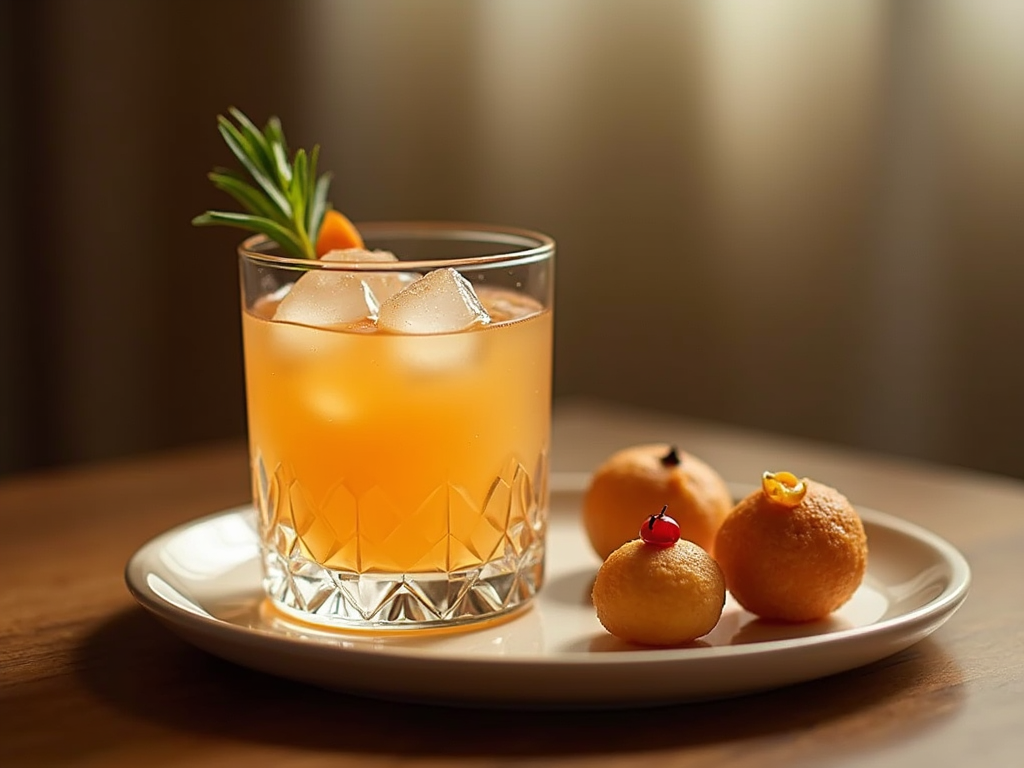
The Malaysian durian whose name travelled far beyond the orchard
There are fruits that belong to a place.
And then there are fruits that somehow come to represent it.
In Malaysia, few names provoke quite the same reaction as Musang King.
For some, it is the anticipation of a durian season: tables covered with newspaper, husks carefully opened, and friends and families gathered around the unmistakable aroma of freshly opened fruit.
For others, it is the first Malaysian flavour they actively seek when visiting the country.
And increasingly, beyond Malaysia, the words Musang King have become shorthand for something particularly Malaysian — bold, distinctive, uncompromising and difficult to forget.
Yet long before Musang King became an internationally recognised name, it had another identity.

It was Raja Kunyit.
And in the Malaysian Department of Agriculture's records, it is D197.
Before Musang King Was Musang King
The official story begins in Tanah Merah, Kelantan.
Malaysia's Department of Agriculture identifies the variety known as Raja Kunyit as D197, originating from Tanah Merah and officially registered on 9 December 1993.
The Department also records how the variety later became better known by the name Musang King, associated with its cultivation in Gua Musang and the translation of raja into king.
It is a small piece of agricultural history, but an important one.
Because behind one of Malaysia's most famous food names is not a marketing invention created for the international market.
There is a registered Malaysian cultivar.
There is a place.
There is an agricultural lineage.
And there is a story that began long before Musang King became a luxury fruit.

What Makes Musang King Malaysia D197 So Distinctive?
Ask ten durian lovers what makes Musang King special and you may receive ten passionate answers.
The official description is less emotional — but remarkably recognisable.
Malaysia's Department of Agriculture describes D197 fruit as generally round to oval, with light green skin. Its flesh is notably deep yellow and thick, with a rich character combining sweetness and bitterness.
That balance matters.
Musang King is not memorable simply because it is sweet.
Its appeal lies in contrast.
Richness against bitterness.
Creaminess against intensity.
Sweetness followed by a more complicated finish.
It is precisely this complexity that separates a distinctive flavour from an ordinary one.
Someone tasting Musang King for the first time may simply think:
“This is durian.”
Someone who has grown familiar with it begins noticing something else:
“This is Musang King.”
That distinction is the beginning of food heritage.

A Fruit Becomes Part of Malaysian Identity
Malaysia has many remarkable tropical fruits.
Mangosteen has its delicate sweetness.
Rambutan arrives in brilliant colour.
Dragon fruit is instantly recognisable.
Pineapple, mango, cempedak and jackfruit each occupy their own places in Malaysian food culture.
But durian is different.
Durian creates ritual.
People travel for it.
Families arrange gatherings around it.
Friends debate varieties.
Regular customers return to favourite orchards and trusted sellers.
The opening of the fruit itself becomes part of the experience.
And among the many Malaysian durian cultivars, Musang King has achieved an unusual status.
Its name has become recognisable well beyond the communities that originally cultivated and enjoyed it.
Malaysia's intellectual-property register today even lists “Malaysia Durian Musang King” among the country's registered geographical indications.
That recognition carries a larger meaning.
Food heritage does not survive merely because something tastes good.
It survives because generations continue to recognise its relationship with a place.
From Malaysian Orchards to the International Market
Musang King's journey has continued beyond Malaysia.
One particularly symbolic milestone occurred in August 2024, when Malaysia's first commercial shipment of fresh durians arrived in China following the signing of a fresh-durian export protocol between Malaysia and China.
Malaysia's Ministry of Agriculture and Food Security reported that the first phase involved 40 metric tonnes of several Malaysian varieties, including Musang King, D24, IOI and Black Thorn.
The fruit was destined for markets including Beijing, Shanghai, Guangzhou, Shenzhen, Zhengzhou and Nanning.
It represented more than an export shipment.
A fruit once identified locally as Raja Kunyit had travelled from its Malaysian agricultural origins into one of the world's largest consumer markets.
The geography had expanded.
The name had travelled.
But the identity remained Malaysian.
Why Heritage Flavours Matter
Globalisation has given consumers access to flavours from almost everywhere.
That is a wonderful thing.
But it also creates a curious problem.
When everything becomes available everywhere, place becomes more valuable, not less.
People increasingly want to know:
Where did this come from?
What makes it different?
Why does this particular ingredient matter?
What story am I taking home?
That is especially relevant to gifting.
A meaningful Malaysian gift should ideally communicate something about Malaysia.
Not merely the words Made in Malaysia printed somewhere on a package.
It should contain a story that could only have originated here.
Musang King has exactly that quality.
You do not need a lengthy explanation before someone understands its connection to Malaysia.
Say Musang King and the story has already begun.

What Happens When Heritage Meets Reinvention?
Preserving food heritage does not mean freezing it in time.
Some traditions survive precisely because each generation finds another way to experience them.
Coffee moved from the cup into desserts, confectionery and cocktails.
Tea travelled from the teapot into cakes, chocolates and contemporary drinks.
Grapes became far more than fresh fruit.
And tropical fruits can follow their own journeys.
The challenge is not simply to create something durian-flavoured.
The challenge is to retain enough of the ingredient's personality that its identity remains recognisable.
With Musang King, that means respecting what made the fruit distinctive in the first place:
its richness,
its unmistakable aroma,
its creamy character,
and that fascinating meeting of sweetness and bitterness.
Those characteristics offer Malaysian producers an opportunity to interpret a familiar ingredient differently without pretending that the new creation replaces the original fruit.
Nothing replaces the experience of opening a fresh durian.
Nor should it.
Reinvention is something different.
It asks:
Where else can this Malaysian flavour go?
Myzduri's Interpretation of Musang King
This question sits naturally within the philosophy behind Myzduri by Miriztika.
Our interest has never been simply in producing another alcoholic beverage.
We are interested in Malaysian flavours that have stories behind them.
Balik Pulau nutmeg gives us one such story.
Musang King gives us another.
Our Myzduri Musang King Durian takes one of Malaysia's most recognisable fruit identities and interprets it as a contemporary cocktail liqueur and gifting beverage.
It is not intended to replace fresh Musang King.
It represents something else:
a familiar Malaysian flavour experienced in an unexpected form.
That difference matters to us.
Because Malaysian ingredients deserve more than nostalgia.
They can become part of contemporary dining.
Part of celebration.
Part of gifting.
Part of conversations between Malaysians and visitors discovering the country.
And part of the products Malaysia presents to the world.

From Balik Pulau Nutmeg to Musang King
Malaysia's food heritage is extraordinarily diverse.
Some ingredients are famous.
Others are waiting to be rediscovered.
Balik Pulau's nutmeg tells the story of an island community, agriculture, spice and generations of local knowledge.
Musang King tells another story — one that begins with Raja Kunyit D197 in Kelantan and grows into a fruit recognised far beyond Malaysia.
They are very different ingredients.
That is precisely the point.
Together they reveal something larger about Malaysia.
Our flavours were never meant to be uniform.
They are shaped by different landscapes, communities, histories and traditions.
And when we tell these stories properly, a bottle becomes more than a bottle.
A gift becomes more than an object.
A flavour becomes an introduction to a place.
A Taste Worth Remembering
Perhaps this is why Musang King occupies such an unusual position in Malaysian culture.
People may disagree about the best orchard.
They may debate one harvest against another.
They may prefer their durian intensely bitter or unmistakably sweet.
But there is very little indifference.
Musang King has personality.
And personality travels.
From Raja Kunyit to D197.
From Tanah Merah to tables across Malaysia.
From Malaysian orchards to international markets.
And now, into new interpretations of what a Malaysian fruit can become.
At Myzduri, that is the journey that interests us most.
Not simply taking Malaysian flavours elsewhere.
But giving people another reason to remember where those flavours came from.
Malaysia.


Comments